 Ripe Planner
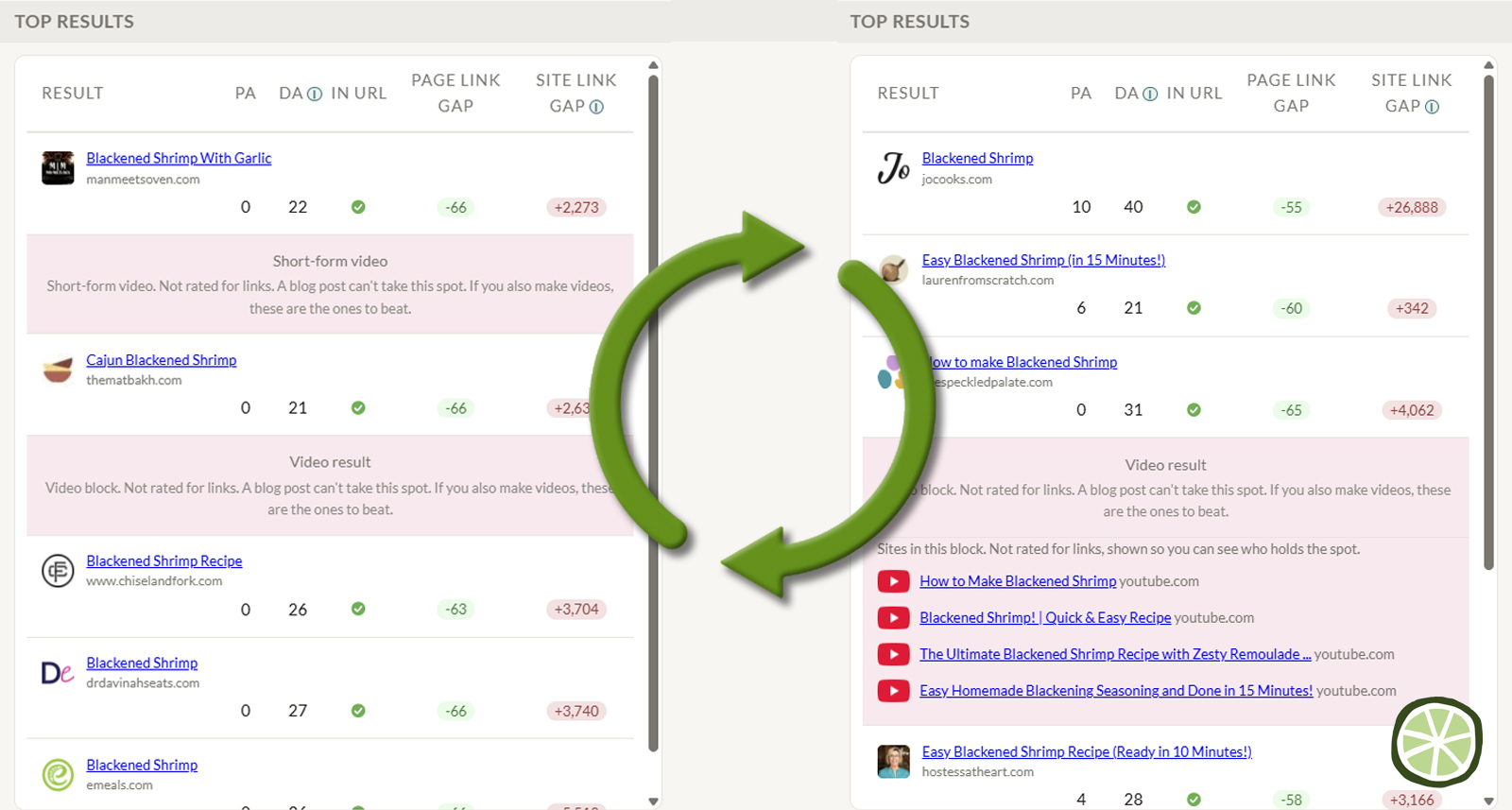
If a keyword tool's numbers looked a little off this autumn, you may not have imagined it. Since about late September, the companies that collect Google results for tools like ours have been reporting something odd: sometimes Google hands them a page that looks completely normal, but with the real organic results swapped out for different ones.
Here is what's known, what it means for you, and what Ripe now does about it.
What's actually happening
Keyword tools can't read your screen. They ask Google for a results page the same way a stranger would, then read what comes back. Starting in late September, several data providers (DataForSEO, SerpApi and Nozzle, among others) reported that a share of those pages came back with the right look and the wrong organic results.
The numbers vary by who you ask. DataForSEO's CTO put it at roughly 20 to 30 percent of the results they collected since September 26, and they say it has been noticeably rarer since about October 10. Nozzle, which sells rank tracking and so has its own stake in this, put it at about 28 percent of the pages it judged since mid-September. As far as we can find, Google hasn't commented, so the "why" is still a guess. The most common guess is that it's a response to automated scraping.
The tricky part is that a scrambled page gives no sign of it. Nothing looks broken. You only notice when a site you know ranks well goes missing, or social posts crowd a page that was full of blogs yesterday.
What it means for your keyword research
A scrambled page can make a keyword look easier or harder than it really is, and it can make your own rankings seem to drop when nothing changed. If you saw a one-day dip in a rank tracker this autumn, wait for a second reading before reacting, and check your Search Console impressions. Real ranking changes stick around. Scrambled ones usually don't.
What Ripe does now
Since November 20, every SERP check in Ripe asks our data provider to look for a scrambled page and, if it finds one, replace the organic results with the real ones taken from Google's plain Web results view. A few things to know:
- You'll see it. When a check was repaired, the SERP panel says so: "Repaired results."
- It doesn't cost you extra credits. The provider charges us a little more per check. Your credit cost is the same.
- It only repairs organic results. Things like AI Overviews and ads are left as Google delivered them to the data provider.
- It can't fix the past. The provider says checks collected from about late September to mid-October can't be repaired after the fact. If you ran a SERP deep dive in that window on a keyword you're about to build a post around, it's worth running it again.
Here's one real example from our own testing. A check on "chocolate chipless cookies" came back flagged as repaired. The top results in the repaired list were Broma Bakery, The Vanilla Bean Blog, Stephie Cooks and Bon Appétit, which matched what Google's Web view showed for that search. The verdict (Easy) didn't change.
Why it still won't match your screen exactly
Even a clean check won't be a mirror of what you see when you search. Google builds each page on the spot, shaped by your location, device and history, and the "All" tab mixes in carousels, videos and shopping blocks that Ripe sorts separately. For the closest comparison, add &udm=14 to the end of a Google search address, or pick "Web" under More. That plain list of links is what our repair uses.
Treat any single check as a read on the neighborhood: how strong the pages are and how many spots a blog post can realistically win. The exact positions will always shuffle a bit.
What to watch for
The repair works because Google's Web view is, for now, still returning real results. The provider says it will keep working only as long as that stays true, and they've said they'll tell customers if the situation changes. We're watching their announcements every week, and we'll update this post if anything changes.